Wood Floor Refinishing vs. Floor Replacement: How to Decide
People searching for wood floor refinishing often want to restore or update their existing floors, and local service providers can help determine if refinishing or replacement is the best option.
Deciding between wood floor refinishing and floor replacement is a common consideration for property owners looking to refresh or upgrade their spaces. If your hardwood floors have seen better days but still have plenty of life left, refinishing can often restore their beauty without the need for a full replacement. This process is a practical choice for those who want to preserve the character of their existing floors while addressing surface wear, scratches, or dullness. Local contractors experienced in wood floor refinishing can evaluate the condition of your floors and help determine whether a refinishing job will meet your aesthetic and functional goals.
On the other hand, floor replacement may be necessary when damage is extensive or the underlying structure is compromised. For property owners facing deep gouges, water damage, or warped boards, replacing the flooring might be the more effective solution. Understanding the differences between these options can help you make an informed decision that aligns with your property’s needs and your long-term plans. Local service providers specializing in both refinishing and replacement can offer insights and guidance, ensuring you choose the best approach for your space. Keep reading to learn more about how to weigh these options and find the right professionals to handle the work.
- Wood floor refinishing - ideal when the existing flooring has surface wear or minor damage, and local contractors can restore its appearance through sanding and finishing.
- Floor replacement - necessary when the wood is severely damaged, warped, or has extensive structural issues that refinishing cannot address, with local service providers handling removal and installation.
- Wood floor refinishing - suitable for older floors that need a refresh to match current interior styles, and local pros can evaluate whether refinishing will meet aesthetic goals.
- Floor replacement - recommended when the existing wood is outdated or incompatible with new design plans, with local contractors managing the entire replacement process.
- Wood floor refinishing - a cost-effective choice for restoring beauty when the damage is limited to surface scratches or fading, with local pros performing a thorough evaluation to determine if refinishing is appropriate.
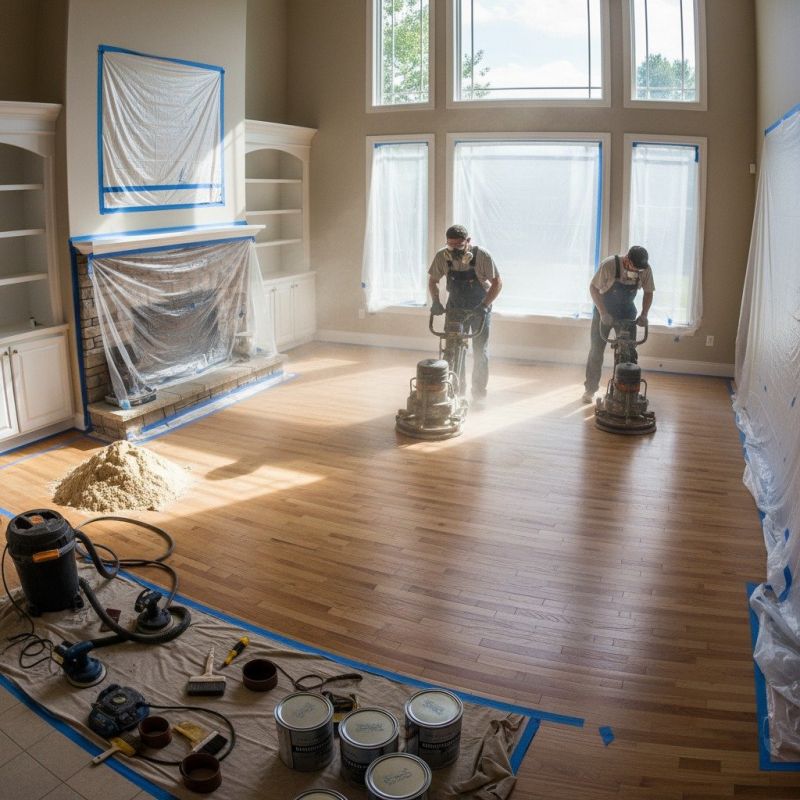
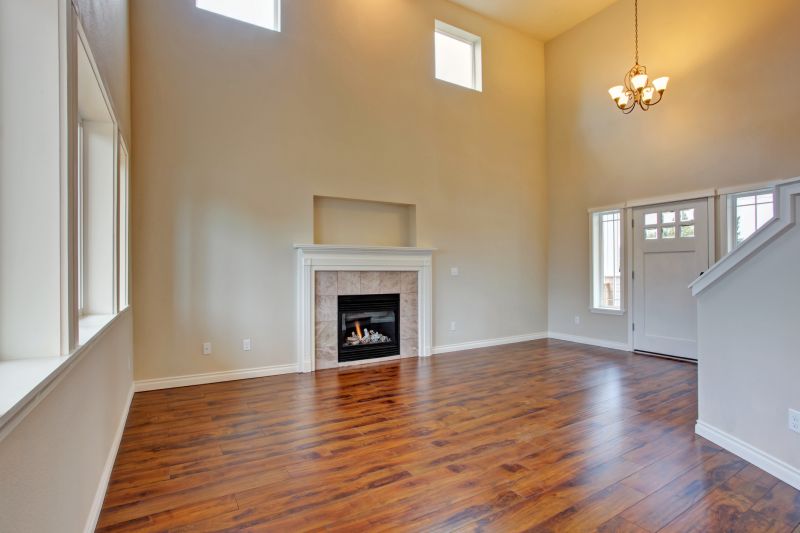
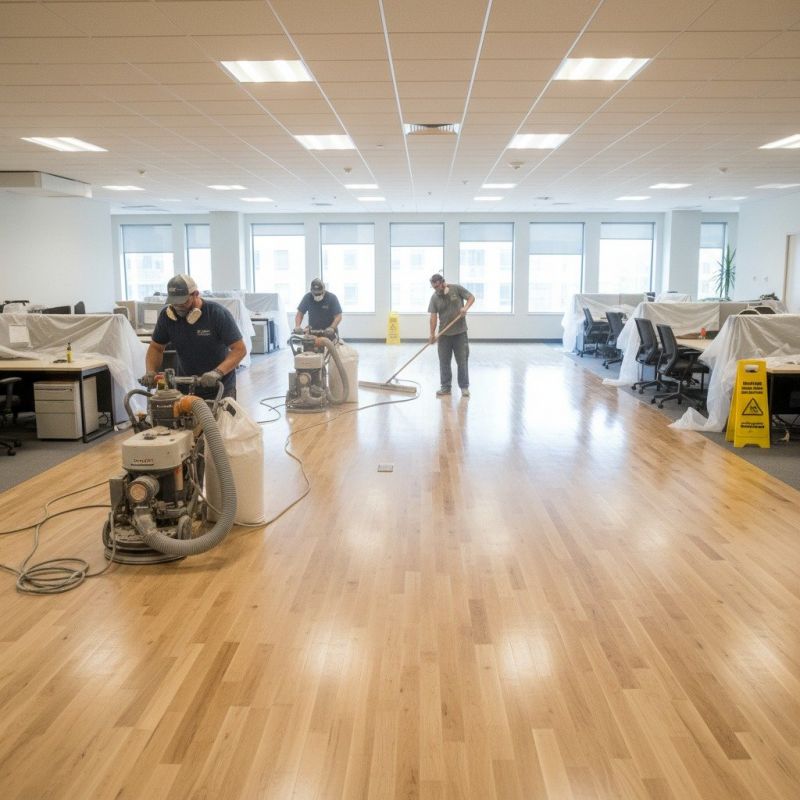
When homeowners search for information about wood floor refinishing versus floor replacement, they are typically trying to determine the best way to restore or upgrade their existing hardwood floors. This comparison often arises when floors show signs of wear, such as scratches, dullness, or minor damage, but are still structurally sound. Many property owners are planning renovations or preparing to sell their homes and want to improve the appearance of their floors without undertaking a full replacement. The decision-making process involves understanding the extent of damage, the age of the flooring, and the desired aesthetic outcome, all of which influence whether refinishing or replacement makes more sense.
This topic relates closely to common property problems like surface wear, discoloration, and minor structural issues that can affect both residential homes and commercial spaces. Homeowners might notice their floors are losing their luster or developing visible scratches, prompting questions about whether a simple refinishing job will suffice or if the floors need to be entirely replaced. Property plans can include updating a single room, preparing a house for sale, or simply maintaining the value of a property over time. These projects often involve weighing the costs, benefits, and long-term results of refinishing versus replacing, with local service providers playing a key role in providing assessments and executing the chosen solution.
The types of properties that typically come up in discussions about wood floor refinishing versus floor replacement include single-family homes, multi-unit residential buildings, and small commercial spaces. Older homes with original hardwoods often present opportunities for refinishing, which can restore their beauty at a lower cost than replacement. Newer properties or those with extensive damage, such as deep gouges or warped boards, may require full replacement. In commercial settings, durability and traffic levels influence whether refinishing can extend the life of existing floors or whether replacement is necessary to meet safety and aesthetic standards. Local contractors specializing in wood flooring can evaluate each property’s condition and advise on the most practical approach.
Understanding how to choose between wood floor refinishing and floor replacement involves assessing the current state of the flooring and the homeowner’s goals. Refinishing is generally suitable for floors with surface-level issues, minor damage, or discoloration, allowing for a fresh look without removing the entire surface. Replacement becomes relevant when the flooring has sustained significant structural damage, deep stains, or extensive warping that cannot be remedied through refinishing. Local pros can help property owners navigate these considerations by providing expert evaluations and options tailored to the specific property type and condition. This guidance ensures that decisions are practical and aligned with the long-term value and appearance of the floors.
Floor sanding and polishing - these services involve preparing and finishing wood surfaces, sharing techniques used in wood floor refinishing that can help assess whether refinishing or replacement is more suitable.
Hardwood floor installation - installing new hardwood floors requires planning and tools similar to those used in floor replacement, making it relevant for comparison with refinishing options.
Floor repair and patching - repairing damaged areas of existing floors involves skills comparable to refinishing, aiding homeowners in evaluating whether repairs or full replacement are needed.
Surface preparation services - these include cleaning and preparing floors for refinishing or replacement, essential steps in both processes that local contractors can handle effectively.
Subfloor assessment and repair - evaluating and fixing subfloor issues is crucial before refinishing or replacing floors, requiring expertise that local service providers can provide.
Floor staining and sealing - applying stains and sealants is part of the refinishing process, closely related to the planning and finishing stages of floor replacement projects.
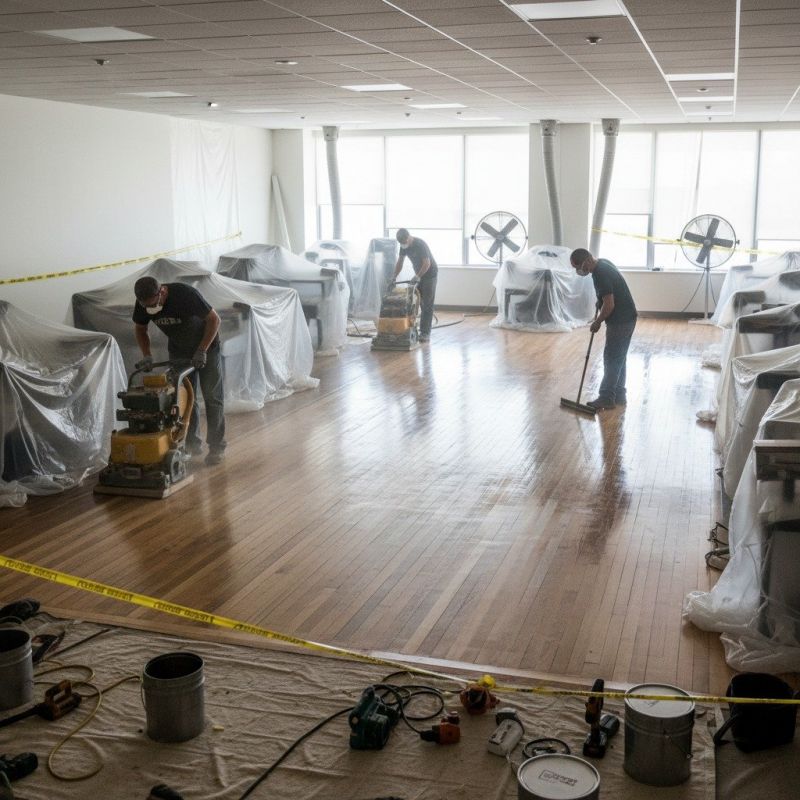
When evaluating service providers for wood floor refinishing, it’s important to consider their experience with similar projects. Homeowners should inquire about how long the contractor has been performing refinishing work and whether they have handled projects comparable in size and scope. A contractor with a proven track record in refinishing wood floors can offer insights into the best techniques and materials, helping to ensure the results meet expectations. Additionally, reviewing reputable references or seeking recommendations can provide a clearer picture of the contractor’s reliability and quality of work, giving confidence that the project will be completed to a high standard.
Clear written expectations are essential when choosing a local contractor for wood floor refinishing services. Homeowners should request detailed descriptions of the scope of work, including the preparation process, types of finishes used, and the expected appearance of the finished floor. Having these details in writing helps prevent misunderstandings and ensures that both parties are aligned on the project’s goals. Good communication throughout the process is also vital; service providers who are responsive and willing to answer questions can make the experience smoother and help address any concerns promptly, contributing to a more successful outcome.
When comparing local contractors for wood floor refinishing, it’s also important to consider their reputation and communication style. Reputable service providers are often transparent about their work process and willing to provide references or examples of past projects. A contractor’s ability to communicate clearly and professionally can indicate their commitment to customer satisfaction and their capacity to manage the project efficiently. By focusing on experience with similar projects, clear expectations, and reputable references, homeowners can better determine which local pros are most likely to deliver quality results and a positive working relationship for their wood floor refinishing needs.
Property owners often search for wood floor refinishing vs. floor replacement: how to decide when they are planning practical projects around their homes and businesses. Local pros provide Wood Floor Refinishing services for everyday jobs and straightforward project options.

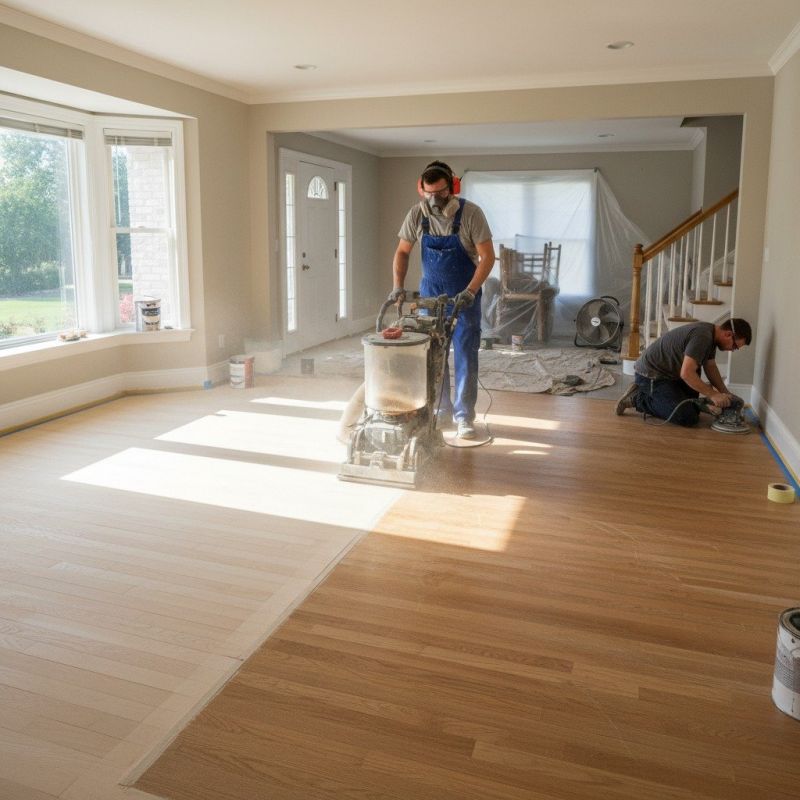
When considering whether to opt for wood floor refinishing or floor replacement, property owners often evaluate the condition of their existing flooring and their renovation goals. For homes with hardwood floors that have minor scratches, dullness, or surface wear, wood floor refinishing can restore the natural beauty without the need for complete removal. Local contractors specializing in refinishing services can assess the floor’s surface to determine if sanding and re-coating will achieve the desired look, making it a practical choice for those seeking to refresh their space with minimal disruption.
On the other hand, floor replacement might be necessary when the existing hardwood is severely damaged, warped, or has extensive structural issues that refinishing cannot address. For property owners facing such challenges, local service providers who offer comprehensive replacement options can help evaluate the condition of the flooring and recommend suitable solutions. Understanding the differences between wood floor refinishing vs. floor replacement can help homeowners make informed decisions, and consulting experienced local contractors ensures that the chosen approach aligns with the specific needs of the space.
When should I consider wood floor refinishing instead of replacing my floors? If the existing wood floors are structurally sound and only show signs of wear like scratches or dullness, wood floor refinishing services from local contractors can restore their appearance without the need for replacement.
How can I tell if my wood floors need to be replaced rather than refinished? If the floors have deep gouges, extensive water damage, or significant warping, local service providers may recommend floor replacement to ensure durability and safety.
What are the benefits of refinishing over replacement? Refinishing preserves the original flooring, often costs less, and can significantly improve the look of worn wood, making it a practical choice when floors are still structurally sound.
Can local contractors advise on whether refinishing or replacing is better for my situation? Yes, experienced local service providers can assess the condition of your floors and help determine whether refinishing will meet your needs or if replacement is necessary.
What factors influence the decision between wood floor refinishing and replacement? Factors include the overall condition of the wood, the extent of damage or wear, and the desired final appearance, with local pros providing guidance based on their evaluation.
Assessing floor condition - Property owners can evaluate whether their existing wood floors have deep scratches, stains, or structural issues that may require replacement instead of refinishing.
Considering project scope - Homeowners might determine if their project involves minor surface repairs or extensive damage, guiding them toward refinishing or replacement options with local contractors.
Matching style and age - Deciding whether to preserve the original look or update to a different style can influence whether refinishing or replacement is more suitable for the property.
Consulting with local contractors - Engaging with experienced service providers can help property owners understand the benefits of refinishing versus replacing based on their specific floor condition and goals.
If you are thinking about wood floor refinishing vs. floor replacement: how to decide for a property, this guide is meant to help you understand this topic, the typical project types, and how different options might fit your plans.
When you are ready, you can use the quote form on this page to share a few details about your project. From there, local pros can review the basics and follow up with options that match what you have in mind.